


Effective asset management is about ensuring equipment and resources are being utilized optimally. For industries relying on bulk storage and distribution of fluids like fuel, chemicals, or water, tank monitoring becomes the backbone of operations. Efficient tank monitoring services enable businesses to gain real-time visibility into fluid levels, temperature, pressure, and potential anomalies. By having consistent access to this data, companies can better plan logistics, anticipate maintenance requirements, and avoid operational downtimes. This reduces manual interventions and the costs associated with emergency refueling or overflow damages, ultimately strengthening the asset’s lifecycle and value.
Table of Contents
Key Advantages of Tank Monitoring Services
Modern systems offer remote access, real-time analytics, and automated alerts to boost efficiency and safety. Tank monitoring services enable data-driven planning, improve compliance, and detect issues early to reduce risks. They also cut costs by preventing losses and minimizing manual labor.
Remote Accessibility
Modern tank monitoring systems provide remote access through cloud platforms and IoT-connected dashboards. This enables managers to monitor tank levels, conditions, and alerts from any location, using mobile or desktop devices. Such convenience improves operational flexibility and ensures timely responses to issues. It’s especially valuable for businesses managing multiple, geographically spread tanks.
Data-Driven Planning
Advanced analytics tools process both historical and real-time tank data, enabling more accurate forecasting. Companies can predict consumption patterns, detect anomalies, and optimize inventory management. This data-centric approach helps automate replenishment schedules, minimizing stockouts and overstocking. Ultimately, it leads to smarter, more proactive operational decisions.
Enhanced Safety and Compliance
In sectors like oil and gas, maintaining safety and regulatory compliance is not only essential but often legally required. Efficient tank monitoring plays a crucial role by detecting leaks, pressure changes, or structural weaknesses early, significantly enhancing safety. This technology helps ensure that storage systems adhere to environmental and industry standards, thereby reducing the risk of accidents or hazardous spills. Additionally, automated alerts and reporting features support consistent compliance with regulations.
Improved Cost Efficiency
Real-time monitoring reduces operational costs by preventing losses due to leakage, theft, or human errors. Alerts for critical conditions prevent costly incidents like overfilling or dry-run equipment damage. Companies also save on labor by minimizing manual checks. Over time, these savings contribute to a higher return on investment in tank monitoring infrastructure.
Applications Across Industries
Tank monitoring is not limited to one sector. It spans a wide array of industries that rely on liquid and gas storage.
Oil and Gas
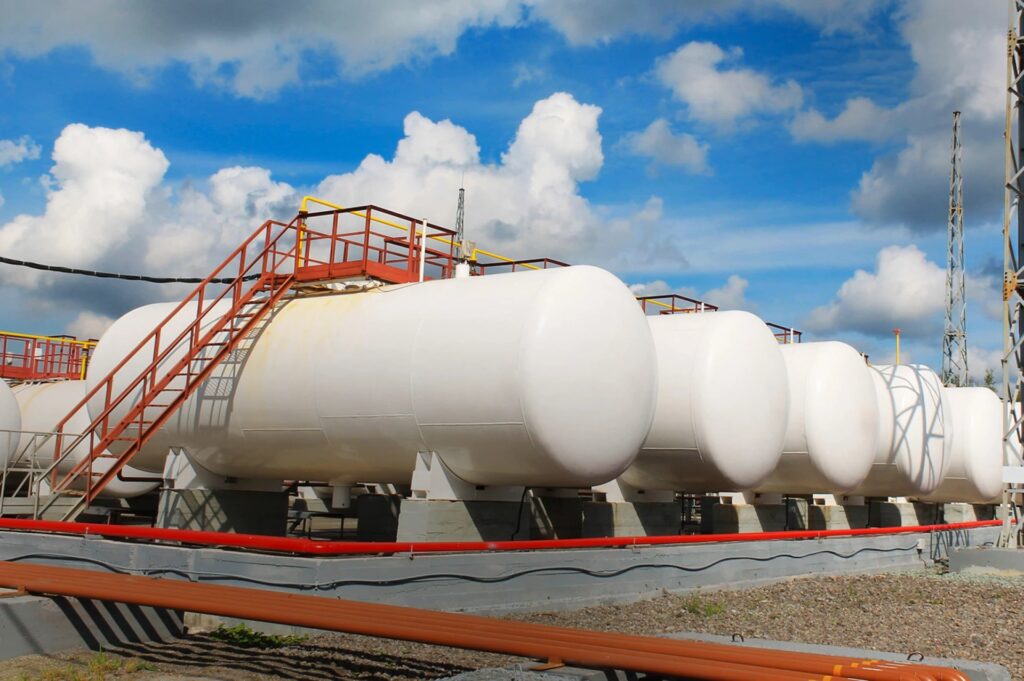
Oil and gas tank monitoring is crucial in the energy sector to safeguard high-value liquid assets like crude oil and fuel. These advanced systems enable continuous tracking of inventory levels, temperature, and flow rates, ensuring optimized logistics and reduced downtime. By providing early leak detection, oil and gas tank monitoring helps prevent environmental damage and financial loss. Additionally, the technology supports compliance with strict safety and operational standards, making it an essential component in modern oil and gas operations.
Chemical Manufacturing
In chemical plants, tanks often store volatile or temperature-sensitive substances that require constant monitoring. Monitoring systems track key parameters such as temperature, pressure, and volume to ensure product integrity. This helps maintain chemical stability, meet quality standards, and avoid hazardous conditions. Automated tank monitoring reduces manual labor while ensuring adherence to safety protocols.
Agriculture
Farming operations rely on storage tanks for water, fertilizers, and pesticides. Remote monitoring helps farmers manage these resources efficiently, adjusting usage based on weather, crop needs, or soil conditions. It eliminates the need for frequent manual inspections and supports precision agriculture practices. This leads to better crop yields and reduced waste.
Water Utilities
Public and private water utilities use tank monitoring to oversee reservoirs and distribution systems. The technology aids in detecting leaks, monitoring water usage, and planning maintenance schedules. It ensures consistent supply, prevents overflows, and supports conservation efforts. Data insights also help utilities respond faster to emergencies or supply disruptions.

Power Your Performance
Premium oils, lubricants & fueling solutions trusted by industries across the West.
Technology Behind Tank Monitoring
Tank monitoring companies utilize a variety of technologies to collect and transmit data. These include:
- Ultrasonic Sensors: Measure the liquid level using sound waves.
- Radar Sensors: Offer high-precision monitoring, even in harsh environments.
- Pressure Transducers: Monitor internal pressure to estimate levels.
- IoT Connectivity: Enables real-time data transmission to centralized platforms.
- Mobile Apps & Cloud Dashboards: Provide on-the-go access for asset managers and field workers.
This blend of hardware and software ensures that tank monitoring is not only accurate but also user-friendly and scalable.
Choosing the Right Tank Monitoring Partner
When evaluating tank monitoring companies, there are several factors to consider:
- Scalability: Can the solution grow with your business needs?
- Integration: Does it integrate with your existing ERP or asset management system?
- Data Security: Is your tank data secure and encrypted?
- Support & Maintenance: Does the provider offer ongoing support and regular updates?
- Customization: Are you able to tailor alerts, reports, and thresholds?
Opting for a solution that offers both robust hardware and intuitive software is key to ensuring long-term value.
Environmental and Regulatory Impact
Apart from operational gains, efficient tank monitoring aligns with environmental responsibility. By detecting leaks early, reducing unnecessary trips for inspection or refills, and managing inventory more precisely, businesses reduce their carbon footprint.
This is particularly relevant for oil and gas tank monitoring, where government regulations often mandate strict environmental controls. Staying compliant with these regulations through accurate tank monitoring prevents fines and protects corporate reputation.
Future of Tank Monitoring
As technology advances, tank monitoring is evolving beyond simple level detection. Predictive analytics, AI-powered forecasting, and full integration with supply chain systems are shaping the future of asset monitoring.
Expect to see greater use of drone-based inspections, smart alerts using machine learning, and tighter integration with smart factory ecosystems. These innovations will continue to enhance the value proposition of tank monitoring services.
FAQs
What are tank monitoring services used for?
Tank monitoring services help industries track and manage the levels, temperature, and pressure of fluids in storage tanks remotely and efficiently.
How does oil tank monitoring improve safety?
Oil tank monitoring identifies leaks, overfills, and temperature changes early, helping to prevent accidents, environmental hazards, and regulatory breaches.
Are tank monitoring systems compatible with mobile devices?
Yes, many modern tank monitoring solutions come with mobile applications and cloud platforms, enabling remote access and control on smartphones and tablets.
What industries benefit from tank monitoring?
Industries like oil and gas, agriculture, chemicals, manufacturing, and water utilities benefit significantly from tank monitoring services.
How do I choose a reliable tank monitoring company?
Look for providers that offer scalable solutions, integration support, data security, responsive customer service, and customizable features.
Conclusion
Efficient tank monitoring services are transforming how industries manage their most valuable liquid and gas assets. With the increasing complexity of operations and rising expectations for safety, compliance, and performance, investing in a reliable tank monitoring system is no longer optional—it’s essential.
From oil tank monitoring to water and chemical storage, the ability to remotely monitor and analyze tank conditions offers unmatched advantages. By leveraging advanced technology and choosing the right solution, businesses can enhance operational efficiency, minimize risks, and ensure long-term sustainability in their asset management strategy.